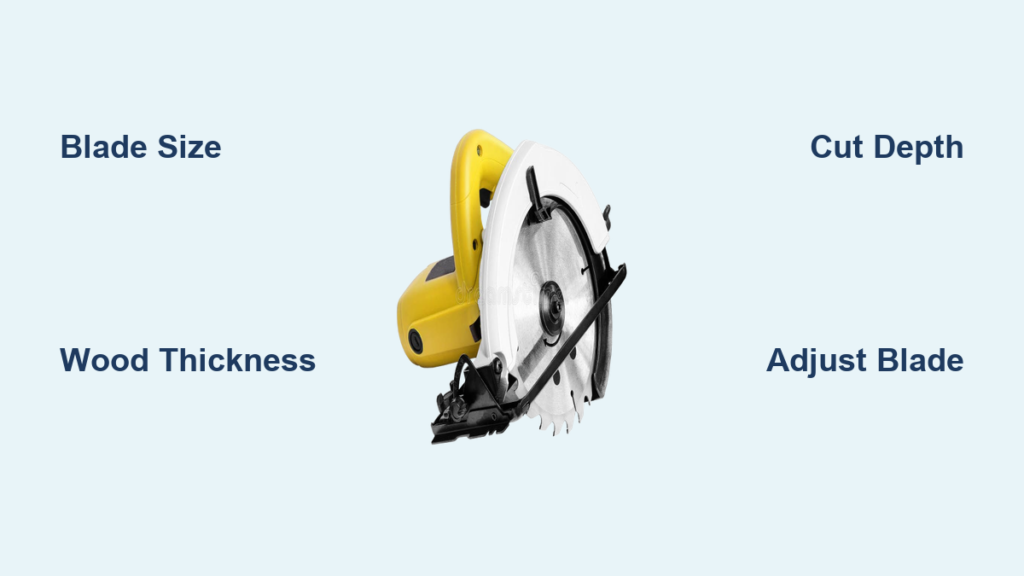

Picking the right types of blades for circular saw work can mean the difference between a clean professional cut and a splintered mess. Whether you frame walls, build cabinets, or cut metal, your blade choice affects cut quality, speed, safety, and tool life. With so many options available, it is easy to pick the wrong one.
This guide explains the key types of blades for circular saw use, covering tooth configurations, kerf widths, coatings, and hook angles. By the end, you will know how to match the right blade to any job with confidence.
Tooth Configurations by Cut Type
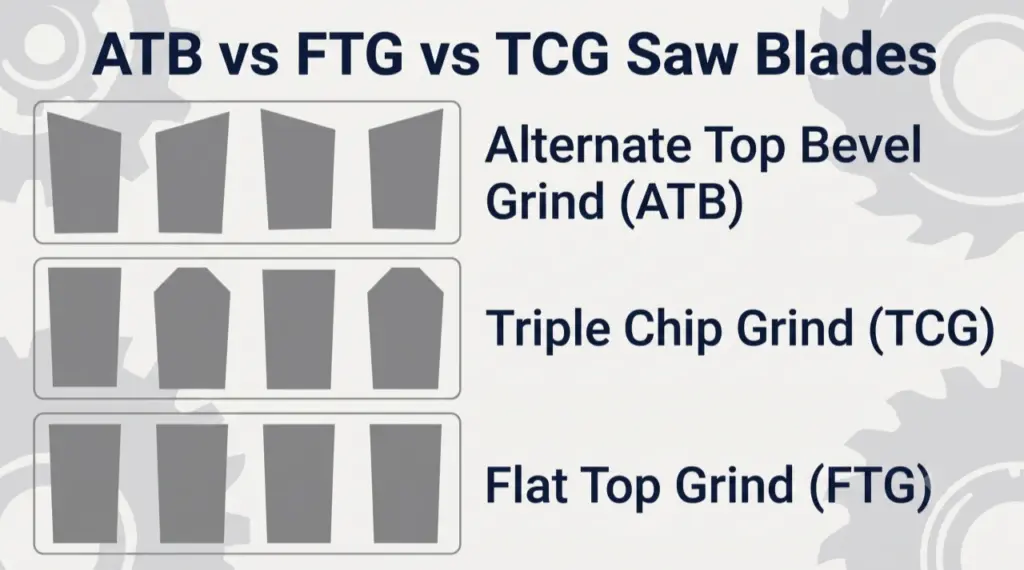
The shape and arrangement of teeth on a blade define what it does best. Matching the tooth grind to your cut ensures smooth results and longer blade life.
FTG: Flat Top Grind for Ripping
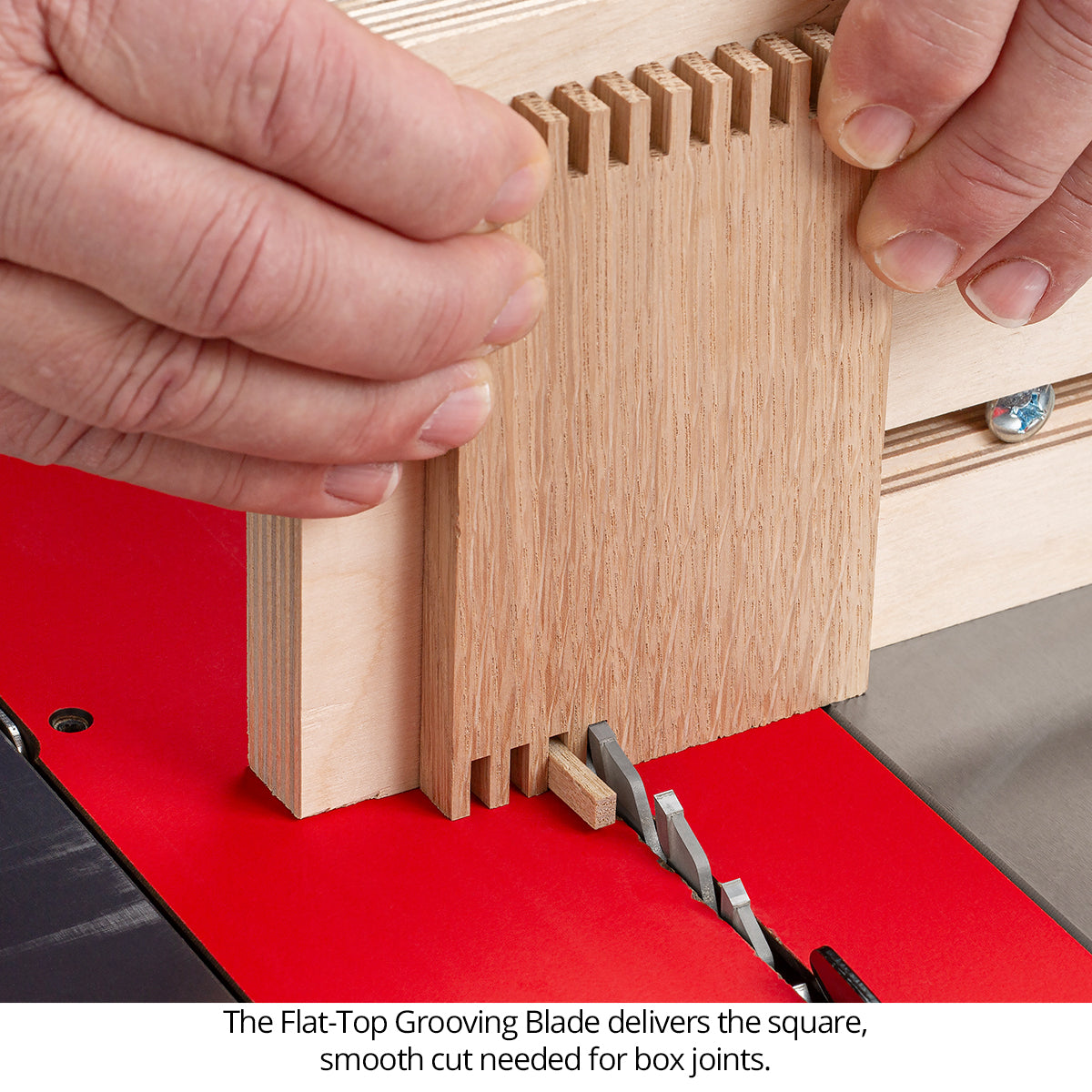
Flat Top Grind blades are built for ripping with the grain. Their flat-topped teeth act like chisels, removing material aggressively in thick lumber. With fewer teeth, typically 24, they deliver fast efficient cuts in hardwoods and softwoods.
• Best for: Framing, beam ripping, breaking down large stock
• Cuts: Fast and aggressive with moderate tear-out
• Tooth count: 20 to 28
• Avoid on: Plywood or finish work, as it causes splintering
Pro Tip: Use FTG blades when power and speed matter more than edge finish.
ATB: Alternate Top Bevel for Crosscuts

Alternate Top Bevel blades have teeth sharpened at alternating angles, creating sharp points that slice cleanly across wood fibers. This makes them ideal for crosscutting where smooth edges are critical.
• Best for: Plywood, MDF, cabinetry, trim
• Cuts: Clean fine edges with minimal tear-out
• Tooth count: 40 to 80
• Avoid on: Long rips, as they are slower and less efficient than FTG
Look for: 60-tooth ATB blades for finish carpentry. They leave edges ready for paint or stain.
ATBR: Combo Blade for Versatility

Alternate Top Bevel with Raker combines ATB teeth with a flat raker tooth every fourth or fifth position. This hybrid design handles both rip and crosscuts, making it the most common general-purpose option among types of blades for circular saw work.