You need a straight cut in aluminium sheet, but your workshop only has a woodworking table saw. This scenario plays out daily for hobbyists, fabricators, and DIYers who lack dedicated metal-cutting equipment. Cutting aluminium on a table saw is technically possible, yet it carries serious risks when approached casually. Standard table saws spin far too fast for ideal metal cutting, often exceeding 6,000 surface feet per minute (SFM), well above the recommended 800 to 2,000 SFM range.
The good news? Thousands of pounds of aluminium stock get cut on table saws every year with zero injuries. The secret lies in treating your table saw as a makeshift metal cutter that demands strict non-woodworking practices. This guide covers the exact blades, lubrication methods, safety gear, and techniques that separate successful cuts from dangerous accidents.
Choose the Right Blade
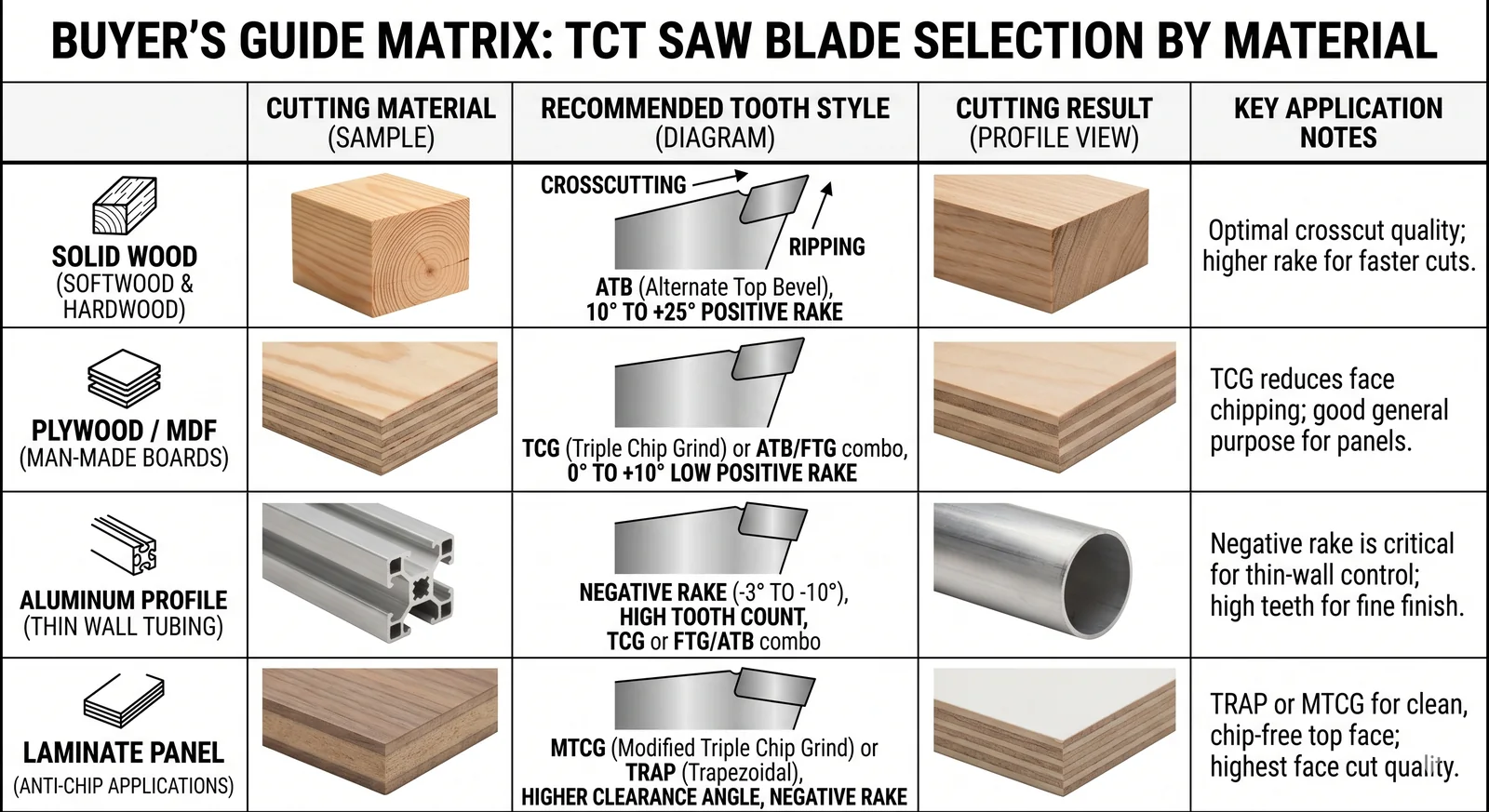
Your blade choice decides whether the cut succeeds or ends in disaster. Standard wood-cutting blades feature positive rake angles and large gullets that can grab aluminium and cause violent kickback events.
Use Negative Rake Carbide Blades
Select blades with a negative hook angle, typically -5° or lower. This geometry prevents the blade from self-feeding into the workpiece, dramatically reducing grab risks. Positive rake blades act like augers in metal, pulling material forward uncontrollably.
Pick Triple Chip Grind Geometry
When a dedicated non-ferrous blade is unavailable, Triple Chip Grind (TCG) is your best alternative. TCG blades alternate flat-top raker teeth with trapezoidal teeth, creating clean chip breakage and minimizing heat buildup. This geometry is critical when cutting soft metals that tend to gum up.
High Tooth Count for Clean Cuts
For thin sheet or precision work, choose a blade with 60 to 80 teeth. More teeth produce smaller chips, less vibration, and smoother finishes. Blades originally designed for Corian or laminate work surprisingly well on aluminium when paired with wax lubrication.
Avoid Wood Rip Blades Completely
Rip blades feature few teeth, large gullets, and aggressive positive rake angles. They work perfectly for wood but become deadly on metal. Using one on aluminium increases binding, overheating, and catastrophic kickback risks. These blades can behave unpredictably due to rapid heat conduction.
Lubricate Aggressively
Heat is your worst enemy when cutting aluminium. Without lubrication, the metal softens and welds onto carbide teeth through a phenomenon called chip welding, which dulls blades instantly and creates dangerous friction.
Apply Wax Before Every Cut
Rub paraffin wax or DoAll cutting wax directly onto the blade teeth or workpiece edge. Wax reduces noise, prevents adhesion, and keeps temperatures manageable. Many fabricators prefer wax over sprays because it stays in place longer and doesn’t aerosolize.
Spray WD-40 for Extra Protection
Spray WD-40 liberally on the blade and cut line for additional cooling. While not a true cutting fluid, it provides short-term lubrication benefits. Use a spray bottle for precise application and reapply during long cuts.
Never Skip Lubrication
Even quick cuts generate enough heat to start gumming up the blade. Skipping lube even once can ruin your carbide and compromise safety. Treat lubrication as non-negotiable, just like wearing PPE.
Follow Critical Safety Protocols

Cutting metal introduces hazards that don’t exist in woodworking. Flying swarf, conductive dust, and extreme kickback potential demand elevated protection.
Wear Full Face Shield and Goggles
Safety glasses alone won’t stop high-speed aluminium fragments. These chips travel like microscopic daggers and can embed in skin or eyes. Always wear a full face shield over ANSI-rated safety goggles for dual protection.
Use Hearing Protection
Metal cutting generates significantly more noise than wood, especially with thin sheets that vibrate against the blade. The screech can exceed 100 dB. Wear earmuffs or high-NRR earplugs to prevent permanent hearing damage.
Protect Your Motor and Bearings
Aluminium dust is both conductive and abrasive. It can enter motor vents, short windings, or destroy bearings over time. Seal vulnerable areas with foam tape, fitted felt washers, or custom shields. Vacuum the saw thoroughly before and after every cutting session.
Prevent Fire Hazards
Aluminium dust mixed with wood sawdust creates a highly flammable combination. Never run your dust collector during metal cutting unless it’s completely empty. Empty the collection box immediately afterward and store swarf separately in metal containers.
Control Feed Rate and Technique
Speed kills, especially when cutting metal. Rushing leads to heat buildup, binding, and catastrophic failure.
Feed Slowly and Steadily
Push the material through at one-quarter to one-half the speed of a typical wood cut. Let the blade do the work. If you hear squealing or see smoke, stop immediately. These signals indicate chip welding has begun.
Set Blade Height Correctly
Raise the blade so only 1/8″ to 1/4″ extends above the workpiece. This ensures downward cutting action, which helps suppress vibration and push chips away from the kerf.
Support Thin Stock Properly
For 1/8″ sheet or thin extrusions, place a piece of cardboard or plywood on top of the aluminium. This dampens vibration, reduces noise, and prevents the workpiece from bouncing into the blade.
Clear Chips Frequently
On thick cuts over 1/2″, pause every few inches to pull the workpiece back and clear chips from the kerf. Built-up swarf causes binding and dramatically increases kickback risk.
Handle Sawstop and Conductive Risks

If you own a Sawstop table saw, be aware that aluminium will trigger the braking mechanism.
Disable Sawstop for Metal Cuts
Enter dado mode or remove the safety cartridge to disable the braking system. Failing to do so results in an abrupt stop that can destroy the blade and damage the saw. Reset the system after cutting before resuming any wood projects.
Clamp Workpieces Securely
Never rely on hand pressure alone. Use a non-slip miter head, hold-down clamps, or a fence-mounted stop block to secure the workpiece. C-clamps have been known to slip and become dangerous projectiles during metal cuts.
Know the Limits of Your Setup
Not every aluminium cut belongs on a table saw. Understanding what is safe prevents costly accidents.
Maximum Recommended Thickness
Experienced users report successful cuts on:
– 1/8″ sheet (very common)
– 3/16″ by 2″ bar stock
– 1/2″ plate
– 3/4″ thick stock (with extreme care)
– 4″ square rod (rare, requires pause-and-clear technique)
Beyond 3/4″ thickness, binding and kickback risks rise sharply. Switch to alternative tools for heavier stock.
Avoid Hollow Sections and Extrusions
Tubing and complex profiles can collapse or jam in the blade. Use a bandsaw instead for these shapes, as they handle irregular geometries much more safely.
Consider Better Alternatives

For frequent or heavy-duty aluminium work, dedicated tools deliver superior safety and efficiency.
Use a Cold-Cut Chop Saw
Metal chop saws from brands like DeWalt or Evolution operate at 2,000 to 3,000 RPM, which falls within the ideal SFM range for aluminium. They feature built-in clamps, lower kickback risk, and produce cleaner cuts. Many fabricators describe them as “way safer than a table saw” for bar stock and tubing.
Upgrade to a Bandsaw
A stationary or portable bandsaw with a 3 to 5 TPI bimetal blade (such as Lennox Diemaster) excels at cutting extrusions and odd shapes. Affordable portable units around $150 paired with quality blades deliver professional results with minimal risk.
Skip the Table Saw for Regular Use
While the table saw handles occasional flat cuts well, it should never become your primary metal-cutting tool. For anything beyond light-duty jobs, invest in proper equipment designed for metal.
Clean Up Thoroughly After Cutting
Post-cut maintenance protects your saw and workspace from long-term damage.
Vacuum Immediately
Use a shop vac with a HEPA filter to remove all aluminium dust from the table, fence, blade guard, and interior cavity. Leftover dust poses fire and conductivity risks that compound over time.
Inspect and Clean the Blade
Check for aluminium buildup on the teeth. If present, clean with a brass brush or carbide-safe solvent. Never reuse a loaded blade, as it cuts poorly and generates dangerous excess heat.
Dispose of Swarf Safely
Store metal chips in a metal container away from flammable materials. Never mix aluminium swarf with wood waste, as this combination ignites easily.
Real-World Successes and Warnings
Verified Success Stories
- Norm (ITTGOco): Cut 10 pieces of 1/2″ by 1″ and 12 pieces of 3/16″ by 2″ bar using a face shield and non-slip miter head. Ninety percent of chips collected cleanly.
- Tim Carbaugh: Built a Big Green Egg carrier using high-tooth blades and wax lube with no issues.
- Steve H Graham: Cut 4″ square rod with a TCG Corian blade, pausing to clear chips every inch.
Documented Dangers
- Kickback incidents: Multiple reports of parts being thrown back at face level.
- C-clamp ejection: One user reported a clamp flying past his head after slipping.
- Blade welding: Unlubricated cuts led to smoking blades and ruined carbide edges.
Final Safety Checklist
Before every cut, verify these critical items:
– Negative rake, carbide, high-tooth-count or TCG blade installed
– Wax or WD-40 applied to blade and workpiece
– Full face shield, goggles, and hearing protection worn
– Saw motor and arbor protected from swarf ingress
– Workpiece clamped or firmly guided with non-slip aid
– Sawstop disabled (if applicable)
– Dust collection off or emptied
– Emergency stop accessible
Frequently Asked Questions About Cutting Aluminium on Table Saw
Can you cut aluminium on a regular table saw?
Yes, you can cut aluminium on a regular table saw, but it requires specific blades, lubrication, and safety gear. Standard wood-cutting blades are dangerous for metal due to positive rake angles that cause grabbing. Use a negative rake carbide blade with wax or WD-40 lubrication for safe results.
What blade works best for cutting aluminium on a table saw?
A negative rake carbide blade with Triple Chip Grind (TCG) geometry works best. Blades with 60 to 80 teeth provide clean cuts on thin stock. Blades originally designed for Corian or laminate also perform well when properly lubricated.
Do I need to lubricate when cutting aluminium on a table saw?
Yes, lubrication is absolutely essential. Without wax or WD-40, aluminium softens and welds to carbide teeth, which dulls the blade instantly and creates dangerous friction. Apply lubrication before every cut and reapply during long cuts.
Will cutting aluminium damage my table saw?
Cutting aluminium can damage your table saw if you skip protective measures. Aluminium dust is conductive and abrasive, potentially entering motor vents or bearings. Seal vulnerable areas with foam tape and vacuum thoroughly after each session to prevent long-term damage.
What thickness of aluminium can you cut on a table saw?
You can safely cut aluminium up to 3/4″ thick on a table saw with proper technique. Common cuts include 1/8″ sheet, 3/16″ by 2″ bar, and 1/2″ plate. Beyond 3/4″, kickback and binding risks increase dramatically, making alternative tools the smarter choice.
Is a table saw or bandsaw better for cutting aluminium?
A bandsaw is generally better for cutting aluminium, especially for extrusions and tubing. Bandsaws produce less swarf, generate less heat, and handle irregular shapes without kickback risk. Table saws work for occasional flat cuts but carry higher danger when used frequently.
Key Takeaways for Cutting Aluminium on Table Saw
Cutting aluminium on a table saw is possible when you respect the metal’s unique demands. Start with a negative rake carbide blade featuring TCG geometry and 60+ teeth. Apply wax or WD-40 liberally before every cut to prevent chip welding. Wear a full face shield, goggles, and hearing protection, since aluminium swarf behaves like high-speed projectiles.
Feed the material slowly at one-quarter to one-half normal wood-cutting speed, and pause frequently to clear chips from thick cuts. Secure workpieces with clamps or non-slip aids rather than relying on hand pressure alone. Vacuum the saw thoroughly afterward and inspect the blade for buildup.
Your next step: gather your PPE, dedicated metal-cutting blade, and wax stick before attempting your first cut. Start with a scrap piece of 1/8″ sheet to build confidence before moving to thicker stock. For frequent metal work, invest in a cold-cut chop saw or bandsaw to keep your table saw primarily focused on wood.