If you’ve ever wondered how long your circular saw blade will stay sharp and effective, you’re not alone. The answer isn’t a simple number, because how long circular saw blades last depends on a mix of material, usage, blade quality, and care. On average, a blade lasts between 5 and 30+ hours of actual cutting time, but that range varies dramatically based on real-world conditions. A DIYer slicing pine on weekends might get years of service from one blade, while a contractor cutting engineered wood daily may need a replacement every few jobs.
What separates a long-lasting blade from a short-lived one isn’t just luck. It’s informed choices. Using the wrong blade for the job, ignoring maintenance, or forcing cuts through nails can cut blade life in half. Conversely, matching the right blade to the material, cleaning it regularly, and feeding wood at the correct pace can double or even triple its usable lifespan. In this guide, you’ll learn how to diagnose wear, extend blade life, and know exactly when it’s time to replace, keeping your cuts clean, your tool safe, and your projects efficient.
Factors That Determine Circular Saw Blade Longevity
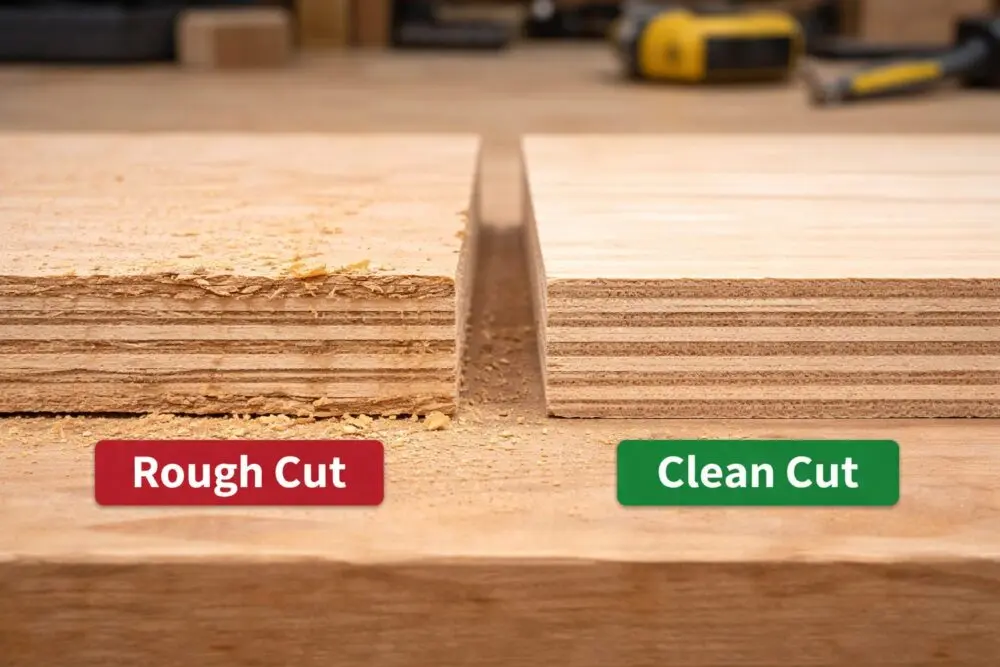
The lifespan of your circular saw blade hinges on more than just time. It’s about how and what you cut. Understanding these core variables helps you get the most from each blade and avoid premature replacements.
Material Being Cut and Its Abrasiveness
The wood or composite you’re cutting has the biggest impact on blade wear.
- Softwoods (Pine, Cedar): Low density and minimal abrasiveness mean blades stay sharp longer. Expect 20+ hours of cutting before dullness sets in.
- Hardwoods (Oak, Maple): High density and natural hardness accelerate tooth wear. Blades may need replacement after 10–15 hours of frequent use.
- Engineered Woods (MDF, Particleboard, Plywood): These are worst for blade life. Resins, glues, and potential metal fragments act like sandpaper on carbide edges. Even premium blades may dull in under 10 hours with heavy MDF use.
Blade Quality and Construction Materials
Not all blades are created equal. The materials and design define durability.
- Carbide-Tipped Blades: Industry standard for longevity. Carbide is 10x more wear-resistant than high-speed steel (HSS). Premium versions use thicker carbide and better brazing for longer edge retention.
- High-Speed Steel (HSS): Cheaper but wears quickly, especially in hardwoods. Best for light, occasional use only.
- Blade Coatings: Non-stick coatings like Teflon or titanium nitride reduce resin buildup and friction, helping blades run cooler and last longer.
Cutting Technique and Feed Rate Control
How you use the saw matters as much as the blade itself.
- Correct Feed Rate: Push wood at a steady pace. Too slow creates excessive heat. Too fast causes tooth chipping and strain.
- Avoid Forcing the Cut: Let the blade do the work. Forcing increases friction, dulls teeth, and risks binding.
- RPM Matching: Always ensure your saw’s no-load RPM is equal to or below the max RPM stamped on the blade. Exceeding it risks catastrophic failure.
Maintenance and Cleaning Habits
Neglecting blade care is a fast track to early replacement.
- Resin and Pitch Buildup: Sticky wood sap increases friction, causing overheating and faster dulling. Clean blades after use with a dedicated saw blade cleaner or citrus-based solvent.
- Storage Conditions: Store blades in a dry place. Moisture causes rust, which weakens the steel and compromises carbide bonds.
- Avoid Metal Contact: Never cut through nails, screws, or staples. Hitting metal instantly chips teeth and unbalances the blade.
Typical Circular Saw Blade Lifespan by Usage Level

Your cutting frequency and workload directly affect how long circular saw blades last. Here’s what to expect based on real-world use.
Occasional DIY Use: 10–20 Hours
If you’re building a deck, shelf, or doing home repairs a few times a year, your blade will last significantly longer.
- Typical Use: Intermittent cuts in softwood or mixed lumber.
- Expected Life: 10–20 hours of actual cutting.
- Pro Tip: Clean the blade after each project and store it in a dry toolbox. A well-maintained combo blade can last 2–3 years for casual users.
Frequent Professional Use: 5–10 Hours
Contractors and framers pushing saws daily face much faster wear.
- Typical Use: Continuous ripping of OSB, plywood, or dimensional lumber.
- Expected Life: 5–10 hours before noticeable dulling.
- Reality Check: Cutting through nail-embedded studs or MDF cabinetry can reduce life to under 5 hours.
- Expert Note: Pros often rotate multiple blades to extend service intervals and maintain cut quality.
Premium Blades: 30+ Hours with Proper Care
High-end carbide blades aren’t cheap, but they pay off in lifespan when used correctly.
- Best For: Dedicated crosscutting, fine woodworking, or non-ferrous metal cutting.
- Expected Life: 30+ hours in optimal conditions with correct material and clean operation.
- Key Advantage: Can often be sharpened 2–3 times, extending total life to 60–100 hours over its lifetime.
Warning Signs That Your Circular Saw Blade Needs Replacement
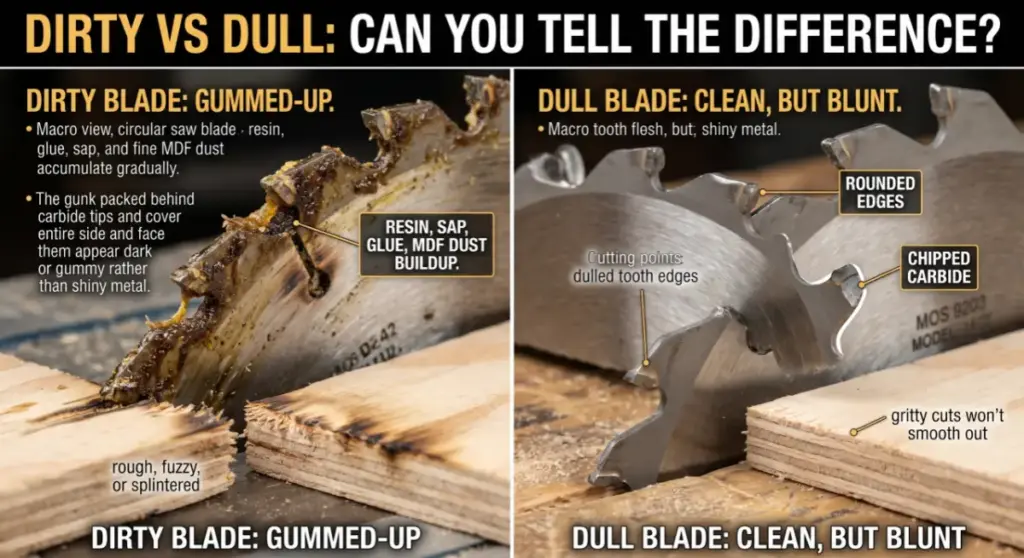
Even the best blade won’t last forever. Watch for these clear indicators that your blade is done.
Poor Cutting Performance Signals
When the blade fights the wood instead of slicing it, it’s time to act.
- Binding or Resistance: The saw jerks or stalls mid-cut. The wood pinches the blade, increasing kickback risk.
- Burn Marks: Dark streaks on the cut edge mean the blade is rubbing, not cutting, generating excess heat.
- Increased Amperage: If your saw’s motor strains or trips breakers more often, a dull blade is likely the culprit.
Rough or Torn Cut Quality
Cut quality is the first casualty of blade wear.
- Splintered Edges: Instead of clean cuts, wood fibers tear out, especially on the top face.
- Chipped Veneers: Dull teeth crush thin plywood or MDF surfaces instead of shearing them.
- Wandering Cuts: The blade drifts off-line, making straight cuts difficult.
Unusual Noise and Vibration Patterns
A healthy blade runs smoothly. Warning signs include:
- Loud Whining or Screaming: Indicates dull teeth or imbalance.
- Excessive Vibration: Can stem from missing teeth, warping, or debris buildup.
- Wobble: Visible blade oscillation when spinning means you should check for damage or a bent arbor.
Visual Inspection Guide for Circular Saw Blades
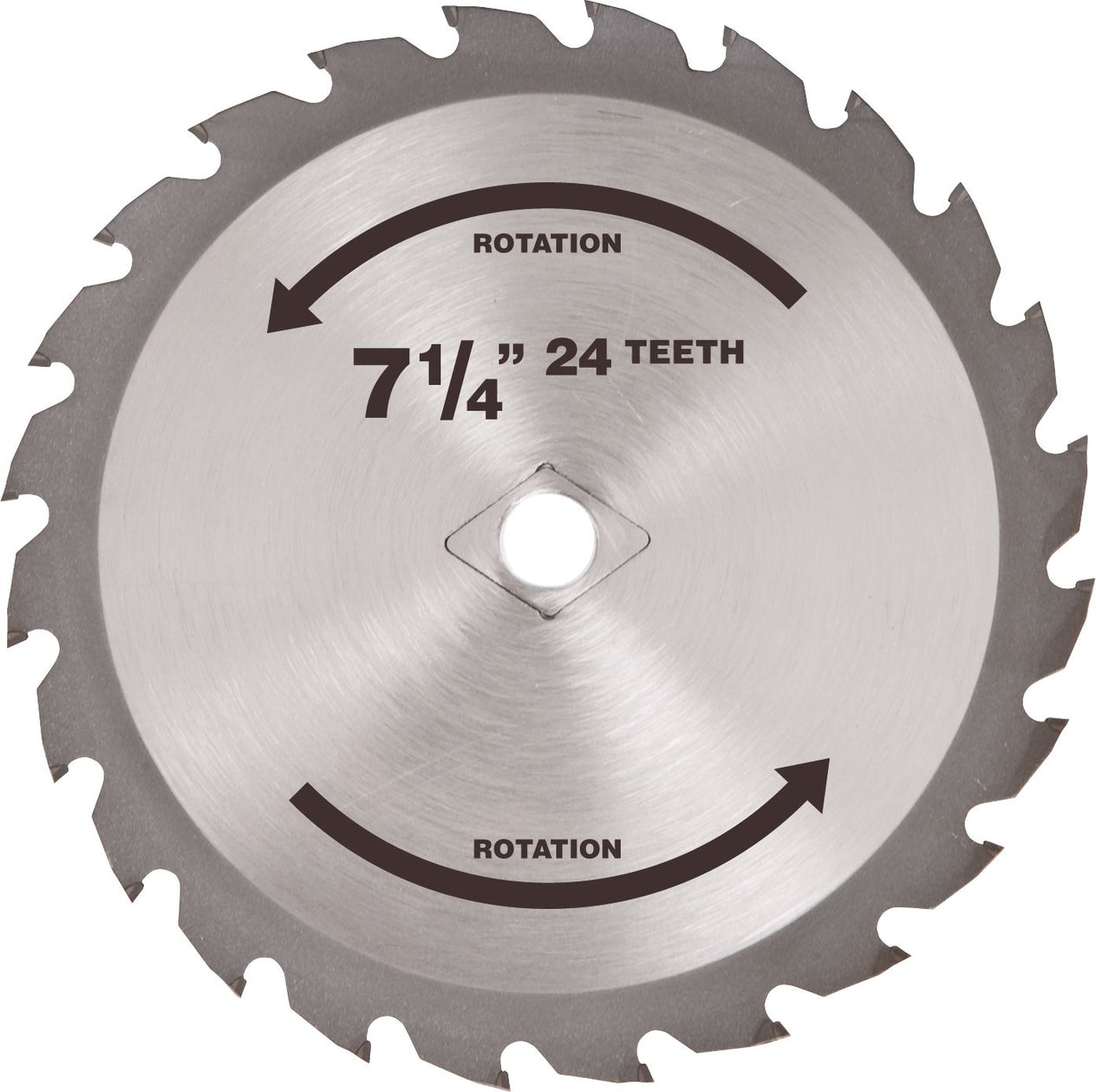
A quick visual check can confirm whether your blade is salvageable or should be retired.
Check the Teeth Carefully
Use a magnifying glass or bright light to inspect each tooth.
- Rounded Edges: Sharp teeth have crisp angles. If tips look blunt or flat, the blade is dull.
- Chipped or Missing Teeth: Even one damaged tooth affects balance and cut quality.
- Cracks in Carbide: Hairline fractures mean the tooth could break off during use.
Look for Corrosion and Buildup
- Rust Spots: Especially on the blade body or gullets. Light surface rust can be cleaned. Deep corrosion weakens the steel.
- Pitch Buildup: Black, sticky resin clogging gullets increases friction and heat. Clean with a blade solvent. Do not use water.
Verify Blade Flatness
- Lay the blade on a flat surface: Rocking indicates warping.
- Spin it slowly by hand: Watch for wobble. A warped blade is unsafe and must be replaced.
Safety Risks of Using a Dull Circular Saw Blade
Pushing a worn blade beyond its limits isn’t just inefficient. It’s dangerous.
Increased Kickback Risk
A dull blade binds in the kerf more easily. When it catches, the saw can violently kick back toward you, causing serious injury. This is the leading safety hazard with worn blades.
Loss of Control During Cuts
Forcing a dull blade requires more physical pressure, reducing your ability to guide the saw accurately. This increases the chance of veering off-line or losing grip.
Tool Damage and Motor Strain
A struggling blade forces the motor to work harder, leading to:
- Overheating
- Premature motor wear
- Bearing failure
- Tripped thermal breakers
How to Extend the Life of Circular Saw Blades

Maximizing blade lifespan starts with smart habits and the right tools.
Match Blade Type to Material
Using the correct blade type prevents unnecessary wear.
- Rip Blades (24–30 teeth): For cutting with the grain. Deep gullets remove chips efficiently.
- Crosscut Blades (60–80 teeth): For cutting across the grain. More teeth equal smoother finish.
- Combination Blades (40–50 teeth): A middle ground for general use, but not optimal for heavy ripping or fine crosscuts.
Clean Blades After Every Use
Make cleaning part of your routine.
- Unplug the saw.
- Remove the blade.
- Soak a cloth in citrus-based cleaner or commercial blade degreaser.
- Wipe teeth and body thoroughly.
- Dry completely before storage.
Pro Tip: Use an old toothbrush to scrub gullets and remove stubborn pitch.
Avoid Metal and Foreign Debris
- Inspect lumber for nails, staples, or screws before cutting.
- Use a metal detector on reclaimed wood.
- Never cut through fasteners. It’s the number one cause of instant tooth damage.
Store Blades Properly
- Keep blades in a dry, temperature-stable environment.
- Use blade guards or protective cases to prevent nicks.
- Hang or lay flat. Don’t stack blades, which can warp or chip teeth.
When to Sharpen vs. Replace Circular Saw Blades
Not every dull blade needs replacement. Sharpening can restore performance if the damage isn’t too severe.
Sharpen If:
- Teeth are dull but intact with no chips or cracks.
- Blade is still flat and balanced.
- It’s a carbide-tipped blade. HSS blades aren’t worth sharpening.
Cost Note: Professional sharpening costs $10–$20 but can extend life by 50–100%.
Replace If:
- Teeth are chipped, cracked, or missing.
- Blade is warped or rusted through.
- You’ve already sharpened it 2–3 times. Re-sharpening reduces tooth mass.
Final Tips for Maximizing Circular Saw Blade Value
Get the most from every dollar spent on blades with these expert-backed strategies.
Buy Smart, Not Cheap
- Avoid ultra-budget blades. They use thin steel and low-grade carbide that dulls fast and warps easily.
- Invest in 2–3 specialized blades (rip, crosscut, fine finish) instead of one combo blade. You’ll get better cuts and longer life.
Rotate Blades for Heavy Projects
- Use different blades for different jobs.
- Let blades cool between cuts.
- Rotate between two blades during long projects to reduce heat buildup.
Monitor Performance Over Time
- Track how many sheets of plywood or linear feet of lumber you cut per blade.
- Note when quality drops. This helps predict future replacements.
Follow Manufacturer Ratings
- Respect the maximum RPM stamped on the blade.
- Use correct arbor size (usually 5/8″ or 1″).
- Never modify a blade to fit your saw.
Frequently Asked Questions About Circular Saw Blade Lifespan
How many hours of cutting can I expect from a circular saw blade?
Most blades last between 5 and 30+ hours of actual cutting time. Occasional DIY users typically get 10–20 hours, while professionals may see only 5–10 hours. Premium carbide blades with proper care can exceed 30 hours.
What type of material wears out blades the fastest?
Engineered woods like MDF, particleboard, and plywood are the worst for blade life. Their resins, glues, and potential metal fragments act like sandpaper on carbide edges, causing blades to dull in under 10 hours with heavy use.
Can I sharpen a circular saw blade instead of replacing it?
Yes, carbide-tipped blades can be sharpened 2–3 times before replacement. Professional sharpening costs $10–$20 and can extend blade life by 50–100%. However, HSS blades are generally not worth sharpening.
How do I know when my circular saw blade is too dull to use?
Watch for these signs: burn marks on cut edges, binding or resistance during cuts, splintered or torn wood surfaces, excessive noise or vibration, and wandering cuts that drift off-line. Any of these indicate immediate replacement is needed.
Does cleaning a circular saw blade really make a difference?
Absolutely. Users who neglect cleaning report blade lifespans reduced by up to 50% due to heat buildup from resin friction. Cleaning with a citrus-based solvent or commercial blade cleaner after each use significantly extends blade life.
Is it dangerous to keep using a dull circular saw blade?
Yes, it’s very dangerous. A dull blade binds more easily in the kerf, dramatically increasing the risk of kickback, which is the leading safety hazard with worn blades. Dull blades also force you to apply more pressure, reducing your control over the saw.
Key Takeaways for Maximizing Circular Saw Blade Lifespan
How long circular saw blades last isn’t fixed. It’s a result of your choices. With the right blade, proper technique, and regular maintenance, you can stretch every blade to its full potential. Watch for performance drops, inspect often, and replace before safety is compromised.
The three biggest factors in blade longevity are material selection, cutting technique, and consistent cleaning. Match your blade to the wood you’re cutting, maintain a steady feed rate, and clean resin buildup after every use. These simple habits can double or even triple your blade’s usable life.
A sharp blade isn’t just about clean cuts. It’s about control, efficiency, and staying safe on the job. Start tracking your blade performance today, and you’ll never be surprised by a dull edge mid-project again.