Cutting concrete doesn’t have to mean hiring a contractor. With the right equipment, preparation, and technique, you can handle most concrete cutting projects safely and accurately. Whether you’re installing a drainage trench, creating control joints, or removing a damaged slab section, learning how to saw cut concrete is a valuable skill for any serious DIYer.
This guide breaks down every stage of the process, from selecting the correct saw and blade to executing clean wet and dry cuts. You’ll also learn how to mark accurate lines, choose the right depth, manage hazardous dust, and maintain your tools for long-term use. By the end, you’ll have the confidence to tackle any concrete cutting job like a pro.
Choose the Right Saw for the Job
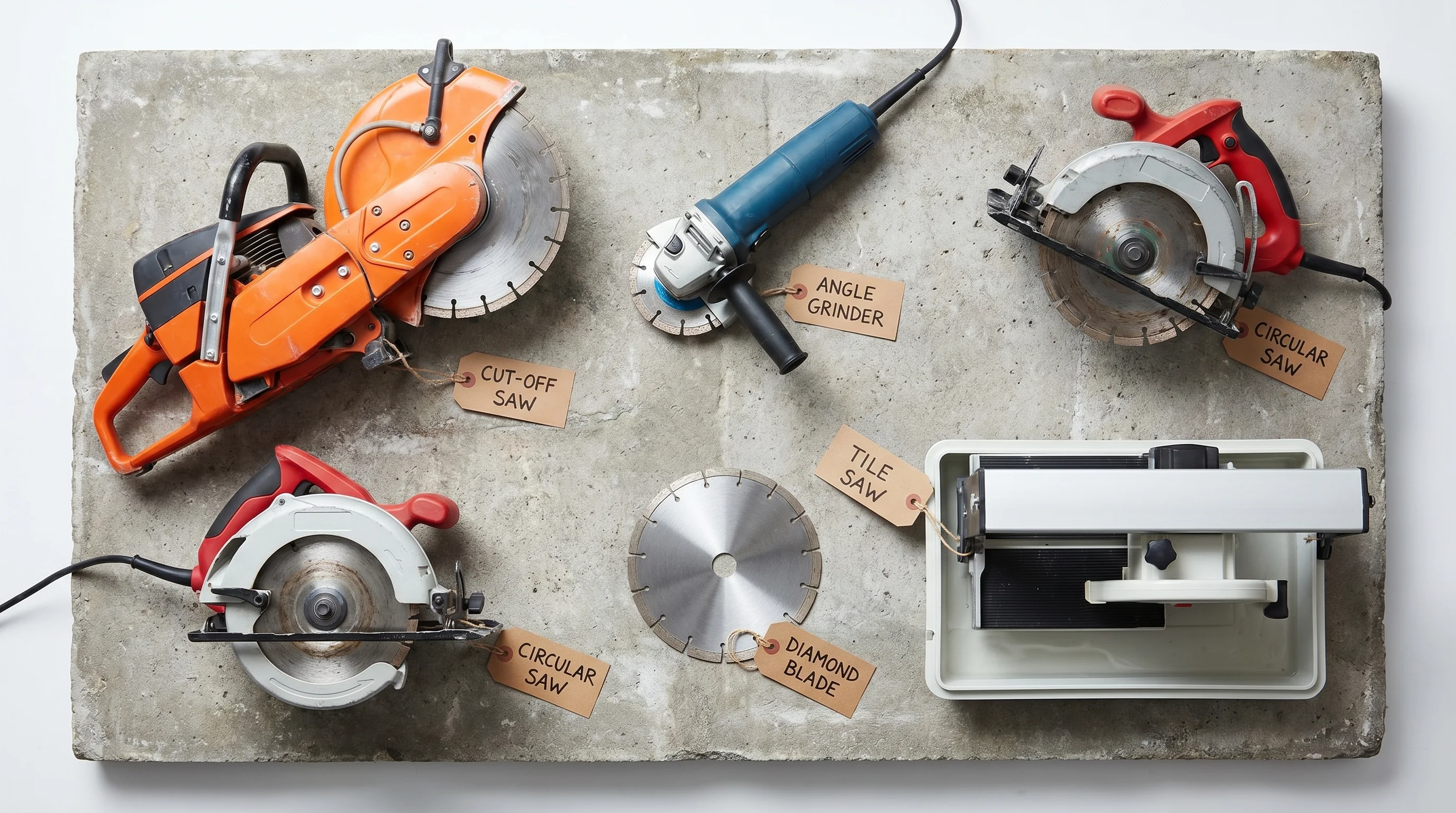
Picking the correct saw is the foundation of learning how to saw cut concrete. The wrong tool can lead to poor results, blade damage, or serious safety risks.
Handheld Angle Grinder for Small Cuts
For shallow cuts up to 2 inches deep, an angle grinder fitted with a diamond masonry blade is ideal. These tools are lightweight, affordable, and easy to maneuver for short, precise work. Always clamp a straight board as a guide to keep your cuts aligned.
Walk-Behind Saws for Deep or Long Cuts
When cutting slabs thicker than 4 inches, such as driveways or basement floors, use a walk-behind concrete saw. These gas or electric machines deliver greater stability and cutting power. Depending on the model, they can handle depths up to 12 inches.
Ring Saw for Tight or Intricate Spaces
A ring saw is the best choice for precision work in confined areas, like around pipes or electrical conduits. Though pricier, ring saws produce narrow kerfs and minimal vibration, which reduces the risk of cracking nearby concrete.
Select the Correct Blade

The blade you choose determines cut quality, speed, and safety. Matching the blade to your saw and material is essential when mastering how to saw cut concrete.
Use Diamond Blades for Cured Concrete
Diamond blades are the industry standard for cutting cured concrete. The diamond segments grind through aggregate and cement paste efficiently. Choose a continuous-rim blade for smooth finishes or a segmented rim for faster, more aggressive cuts.
Choose Segmented Blades for Dry Cutting
Segmented blades have gaps between diamond sections that release heat and clear debris. These work best for dry cutting where water isn’t available, though they produce more dust. Always pair them with a respirator and eye protection.
Avoid Abrasive Blades on Thick Slabs
Abrasive blades are cheaper but wear down quickly. They overheat easily and should only be used on thin, soft concrete or masonry. Avoid them for cuts deeper than 1 inch.
Mark and Measure the Cut Line
Accurate layout prevents crooked cuts, wasted effort, and structural problems. Take time to measure carefully before any blade touches the surface.
Snap a Chalk Line for Straight Cuts
Stretch a chalk line between two points, pull it taut, and snap it to leave a clear guideline. For extra precision, lightly score the line with a utility knife to create a starting groove for the blade.
Use Painter’s Tape on Finished Surfaces
On decorative or finished concrete where chalk might stain, apply painter’s tape along the cut path. Draw your line with a permanent marker for a clean, visible guide without residue.
Double-Check All Measurements
Measure twice and cut once. Verify your line aligns with plans or fixtures, and use a carpenter’s square at corners to confirm 90-degree angles. Small errors compound quickly over long cuts.
Prepare the Work Area
Proper setup protects you, your tools, and the surrounding structure. Skipping this step is one of the most common mistakes beginners make.
Clear Debris and Check for Hazards
Remove rocks, sticks, and loose material from the cutting surface. Before cutting outdoors, call 811 to check for buried utilities. Never assume there are no pipes or wires below.
Set Up Safety Barriers
If you’re working in a shared or public space, cordon off the area with caution tape. This keeps bystanders out and reduces your liability in case of an accident.
Ensure Proper Ventilation Indoors
When cutting inside garages or basements, open doors and windows or use fans to circulate air. Concrete dust contains silica, which is harmful when inhaled. Good airflow significantly reduces health risks.
Use Proper Cutting Techniques
How you physically handle the saw directly affects cut depth, edge quality, and tool longevity. Good technique is central to how to saw cut concrete successfully.
Start with a Shallow Score Cut
Begin with a light pass about 1/4 inch deep. This creates a guide groove that keeps the blade on track during deeper passes. Let the blade do the work and never force it.
Feed the Saw Slowly and Steadily
Push the saw forward at a consistent pace. Rushing causes overheating, blade warping, and rough edges. Listen to the motor; if it strains, slow down immediately.
Maintain a Straight Cutting Path
Keep both hands on the saw and align the guide notch with your chalk line. For walk-behind models, lock your arms and move from the hips to maintain better control.
Choose Between Wet and Dry Cutting
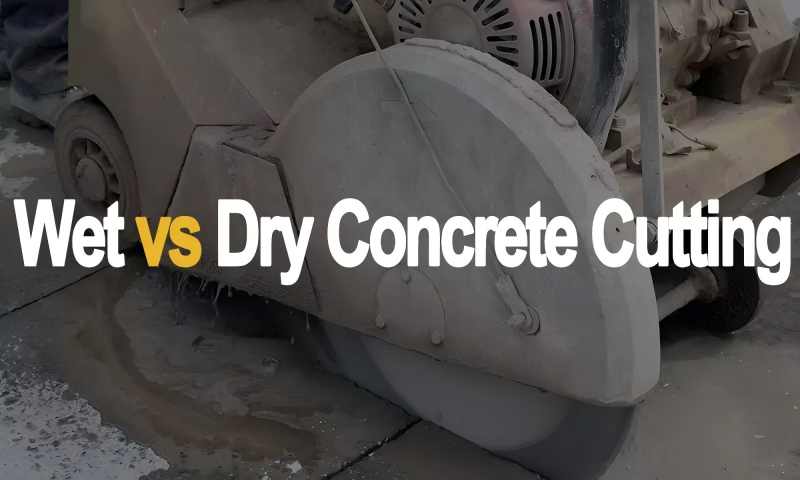
One of the most important decisions in how to saw cut concrete is whether to use water. Each method has clear advantages depending on the job site.
Use Wet Cutting to Reduce Dust
Wet cutting uses a steady water supply to cool the blade and suppress dust. It’s ideal for indoor work or areas where air quality matters. Attach a garden hose to the saw’s water port before starting.
Be Aware of Slurry Buildup
The downside of wet cutting is slurry, a muddy mix of water and concrete particles. It creates slippery surfaces and requires cleanup. Use a squeegee or wet vac to manage runoff.
Use Dry Cutting for Quick Outdoor Jobs
Dry cutting is faster and doesn’t require water hookups. It’s acceptable for short outdoor tasks with proper PPE, but it generates dangerous silica dust. Always wear an N95 mask and sealed safety goggles.
Cut to the Correct Depth
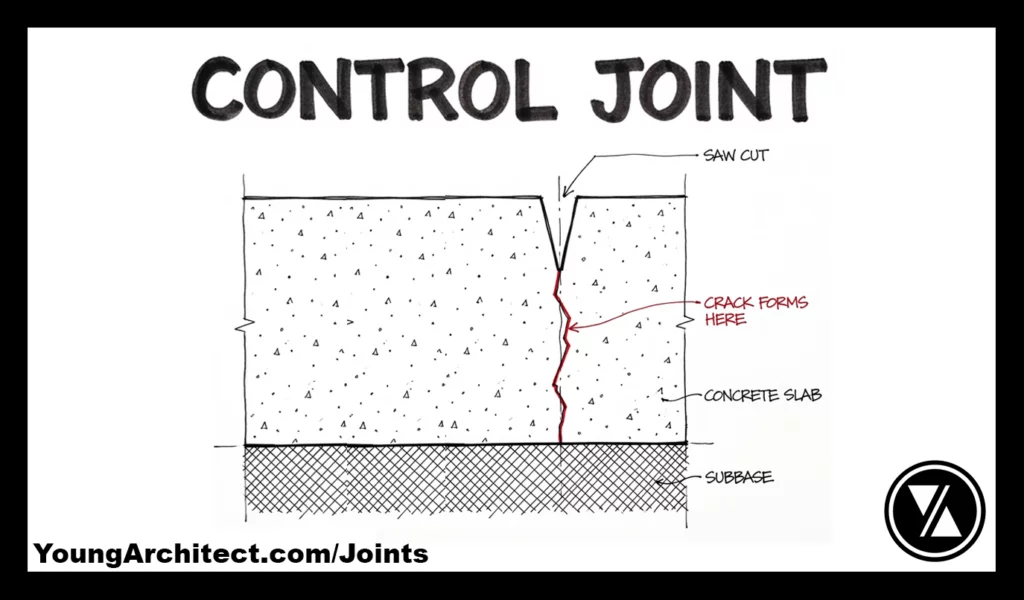
Cutting too shallow won’t achieve your goal, while cutting too deep risks damaging underlying utilities or rebar.
Score Control Joints at One-Quarter Slab Thickness
For expansion or control joints, cut to a depth of one-quarter the slab’s thickness. For a 4-inch slab, this means a 1-inch cut. Make these cuts within 6 to 24 hours after pouring for best results.
Cut Through Slabs Completely When Removing Sections
When removing a section of concrete for a new doorway or trench, cut all the way through. Most residential slabs require 4 to 6 inches of depth. Make multiple passes, increasing depth gradually.
Avoid Cutting Into Rebar When Possible
Plan your cuts to avoid rebar whenever you can. Cutting through metal dulls blades quickly. If unavoidable, use a blade rated for both concrete and metal, and reduce your feed speed.
Manage Dust and Debris Safely
Concrete dust isn’t just a mess; it’s a serious health hazard. Long-term silica exposure can lead to lung disease, so dust control is non-negotiable.
Use a Vacuum Attachment When Possible
Many modern saws accept dust shrouds and shop vac connections. These capture particles at the source and keep your workspace cleaner. Confirm compatibility before buying accessories.
Sweep and Dampen After Cutting
Once the cut is complete, sweep away loose debris. Lightly mist the area with water to settle remaining dust before vacuuming or disposing of waste.
Dispose of Concrete Waste Properly
Broken concrete can often be recycled at local facilities. Check municipal guidelines before hauling it to a landfill or reuse site.
Maintain Your Saw and Blade
A well-maintained tool performs better and lasts longer. Regular upkeep also ensures safety on every job.
Clean the Saw After Each Use
Wipe down the blade guard, base plate, and handle. Remove built-up dust with a brush or compressed air, and inspect for cracks or loose parts.
Inspect the Blade for Wear
Check the diamond segments for even wear. If segments are chipped or worn down to the steel core, replace the blade. A damaged blade can wobble or shatter during use.
Store Equipment in a Dry Place
Keep your saw and blades in a clean, dry toolbox or shed. Moisture leads to rust and electrical issues, especially in corded models.
Troubleshoot Common Cutting Problems

Even experienced users face issues on the job. Knowing how to respond keeps your project on track and your tools safe.
Blade Binding During Deep Cuts
If the saw jams mid-cut, you may be feeding too fast or cutting too deep in one pass. Back out slowly, clear debris, and switch to multiple shallow passes.
Uneven or Crooked Cuts
This usually stems from poor alignment or an unsteady hand. Re-mark the line and clamp a straightedge as a guide. For long cuts, set up a string line for visual reference.
Overheating Blade or Motor
Overheating happens from excessive pressure, lack of water during wet cutting, or dull blades. Stop immediately, let the tool cool, and review your technique before resuming.
Follow Essential Safety Practices
Safety should never be an afterthought. Concrete saws are powerful tools that demand full attention and proper protection.
Wear Full Personal Protective Equipment
Always wear cut-resistant gloves, ANSI-approved safety goggles, and a respirator, especially during dry cutting. Ear protection is also recommended due to high noise levels.
Never Leave a Running Saw Unattended
Turn off the saw and unplug it or shut off the fuel when stepping away, even briefly. A spinning blade poses serious injury risks to anyone nearby.
Keep Children and Pets Away
Establish a safe perimeter of at least 10 feet around the work area. Flying debris and loud noise make this zone unsafe for others.
Frequently Asked Questions About Sawing Concrete
What is the best saw for cutting concrete?
The best saw depends on your project. For small, shallow cuts, an angle grinder with a diamond blade works well. For deeper cuts in slabs thicker than 4 inches, a walk-behind concrete saw is the better choice. Ring saws are ideal for tight, precise spaces.
Can you cut concrete without water?
Yes, dry cutting is possible with a segmented diamond blade, but it produces significant silica dust. Always wear an N95 respirator, sealed goggles, and use a dust extraction system when dry cutting.
How deep should you saw cut concrete?
For control joints, cut to one-quarter the slab’s thickness, typically 1 inch for a 4-inch slab. When removing a section completely, cut through the full 4 to 6 inches using multiple gradual passes.
How long after pouring concrete can you saw cut it?
You should saw cut control joints within 6 to 24 hours after pouring the concrete. Cutting too early causes raveling, while cutting too late can lead to random cracking.
Will a regular saw blade cut concrete?
No. Regular wood or metal blades cannot cut concrete. You need a diamond blade specifically designed for masonry or concrete to cut safely and effectively.
How do you reduce dust when cutting concrete?
The best ways to reduce dust are using wet cutting with a steady water supply, attaching a vacuum and dust shroud to your saw, and wearing proper respiratory protection. Good ventilation also helps in indoor spaces.
Key Takeaways for Sawing Concrete Safely and Effectively
Learning how to saw cut concrete comes down to three core principles: preparation, precision, and protection. Always choose the right saw and blade for your specific job, mark your lines accurately, and wear full PPE before starting.
Cut steadily rather than quickly, and respect the depth limits of your equipment. Whether you’re scoring control joints or removing an entire slab section, the same fundamentals apply: measure twice, cut in stages, and let the blade do the work.
Your next step is to gather your tools, mark your cut lines, and start with a shallow score pass. With practice and patience, you’ll produce clean, professional results on every concrete cutting project you take on.