Cutting brick with a saw is a core masonry skill that determines whether your project looks professional or amateur. The wrong tool or technique leaves chipped edges, wasted materials, and serious safety risks. Whether you are laying a patio, building a wall, or fitting bricks around pipes, precision matters.
This guide covers choosing the right saw, selecting the correct blade, setting up a safe workspace, and mastering three proven cutting methods. You will also learn standard masonry cuts like queen closers and half bats, plus pro tips that save time and money.
Choose the Right Saw for Cutting Brick

Your saw choice depends on project size, location, and finish quality. Each tool serves a specific purpose in masonry work.
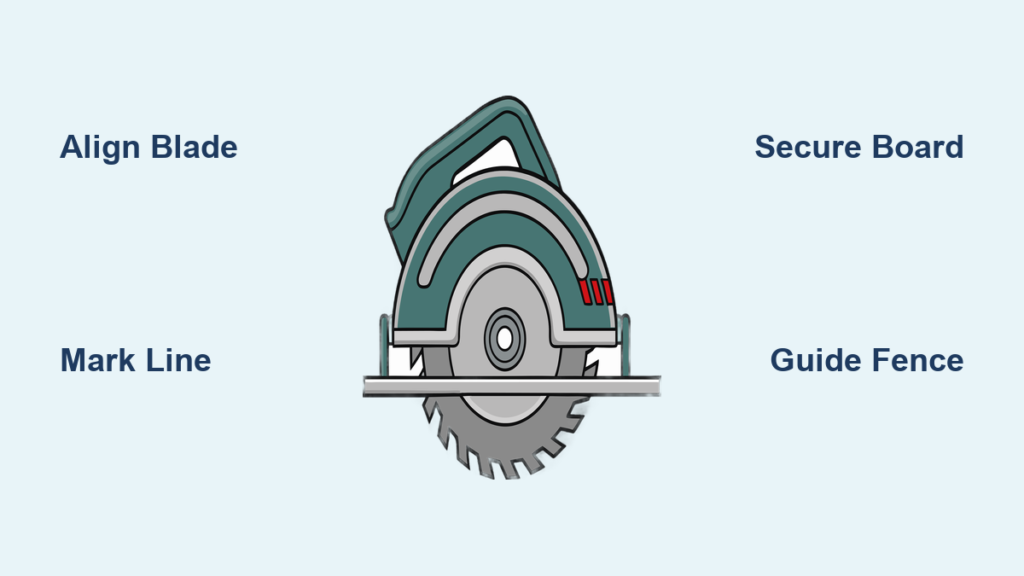
Circular Saw for Quick Dry Cuts
A circular saw handles brick cutting when fitted with the proper blade. This method works best for outdoor jobs where water use is impractical.
- Use only a dry-rated diamond-tipped blade
- Ensure the blade rotates upward at the front for proper engagement
- Ideal for pavers or bricks where minor edge chipping is acceptable
- Limited dust control requires a respirator and goggles
Wet Saw for Precision Masonry Work
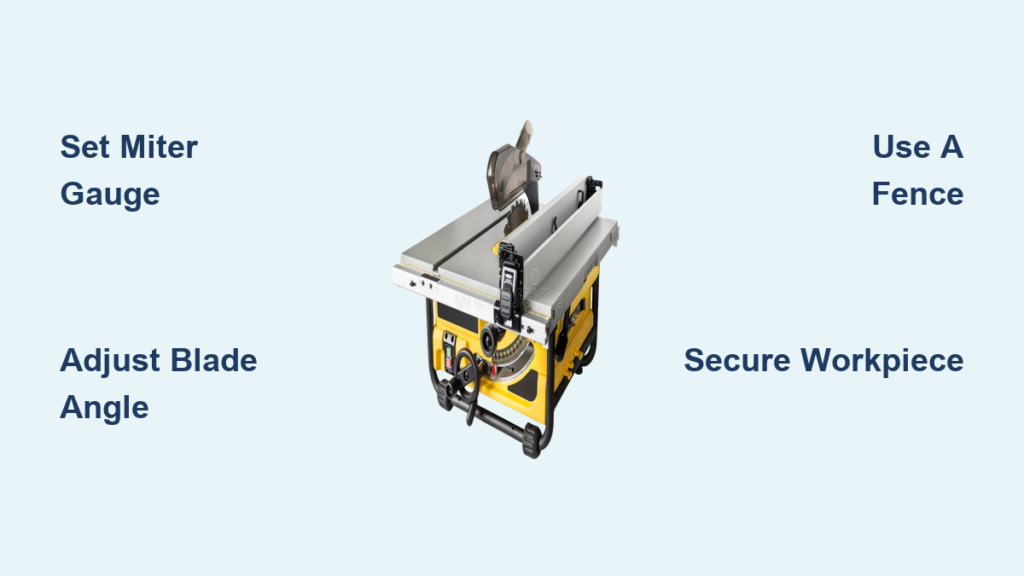
Wet saws deliver the cleanest, smoothest cuts in brick cutting and remain the top choice for visible masonry.
- Uses a 10-inch diamond blade with continuous water feed
- Water cools the blade, reduces dust, and prevents overheating
- Adjustable fence and miter guide allow repeatable angled cuts
- Perfect for retaining walls, patios, and decorative stonework
Pro Tip: Rent a wet saw for about $50 per day if you have a one-time project. It is cost-effective and professional-grade.
Angle Grinder for Tight Spaces and Detail Work
When flexibility matters or space is limited, an angle grinder offers unmatched maneuverability for cutting brick.
- Requires a tough-grit diamond blade, not a standard metal cut-off wheel
- Cuts brick, stone, tile, and metal trim without blade wear
- Great for notches, curves, or partial cuts
- Higher kickback risk means you must use both hands and secure the brick firmly
Select the Correct Diamond Blade for Brick
Using the wrong blade is the leading cause of failed cuts and safety hazards when learning how to cut a brick with a saw.
Diamond-Tipped Blades Are Mandatory
Wood or metal blades shatter on contact with brick. Always use a diamond-tipped masonry blade rated for your saw type.
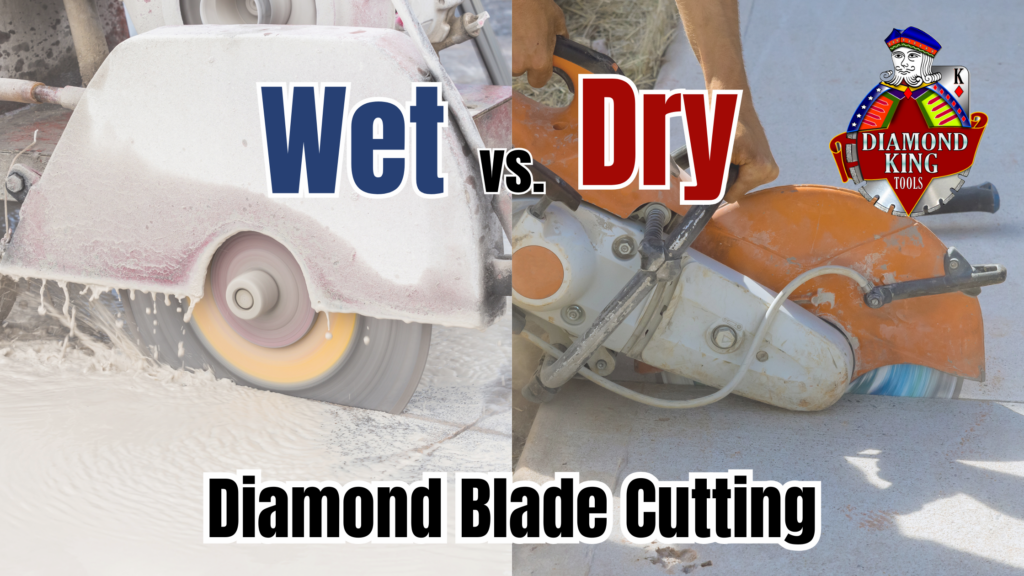
- Dry blades work with circular saws and grinders without water
- Wet blades are designed for water-cooled saws and should never run dry
- Tough-grit blades like WonderBlade cut through brick, tile, and fiber cement without wear
Install the Blade Correctly
- On circular saws, install so teeth point upward at the front
- Confirm blade rotation matches the saw’s direction
- Let the blade reach full speed before touching the brick
Set Up a Safe Workspace for Saw Cutting Brick
Brick cutting produces dangerous silica dust and high-speed debris. Safety must come before any cut.
Wear Proper PPE Every Time
- Safety goggles protect against flying chips and are non-negotiable
- An N95 respirator or dust mask prevents lung disease from silica exposure
- Ear protection like earmuffs or plugs blocks loud saw noise
- Gloves and snug clothing prevent snags and improve grip
Prepare Your Work Area
- Place brick on a rubber mat or non-slip pad to prevent movement
- Clamp small pieces or bricks near edges to keep them stable
- Keep power cords elevated, especially with wet saws, to avoid shocks
- Allow the blade to spin down completely before setting the tool down
Mark and Measure Before You Cut Brick
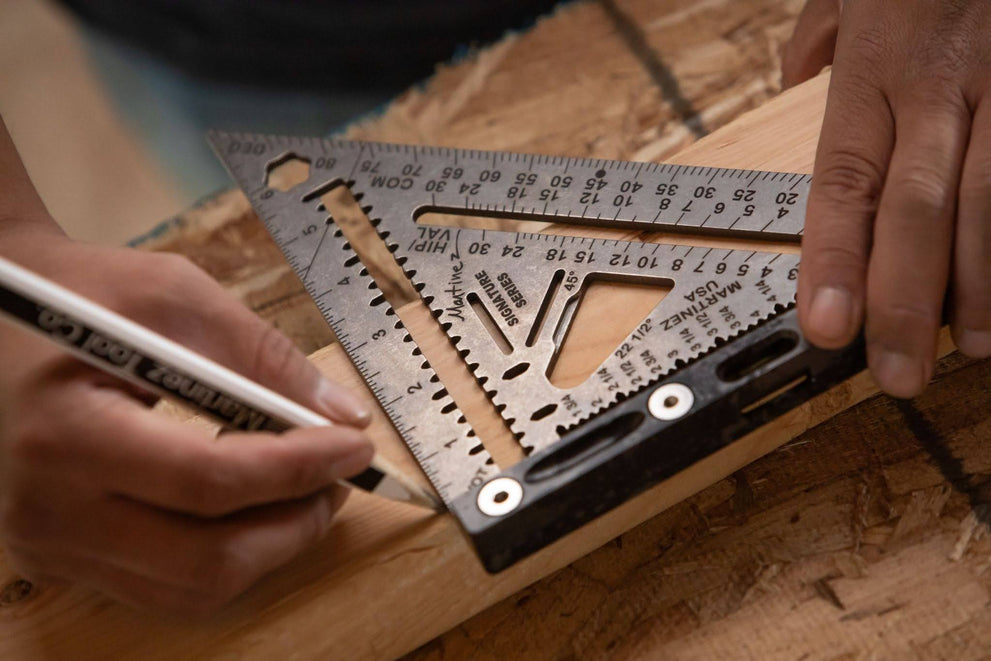
A clean cut starts with a precise line. Measure twice and cut once for accurate results.
Standard Brick Dimensions
- Length: 8.5 inches
- Width: 4 inches
- Height: 2.75 inches
These measurements serve as the baseline for calculating standard masonry cuts.
Mark Cut Lines Clearly
- Mark cut lines on two faces of the brick for alignment
- Use a speed square or straightedge to ensure straight lines
- For angled cuts, set miter guides or mark with a protractor
Cut Brick with a Circular Saw
This dry cutting method works well for quick jobs when a wet saw is unavailable.
Align the Saw Guide
- Clamp a straightedge parallel to your cut line as a guide
- Use the saw’s built-in guide if it is accurate enough
Start the Cut Slowly
- Let the blade reach full speed before contact
- Begin at the edge rather than plunging into the middle
- Apply steady pressure and let the blade do the work
Use the Start Small Strategy
- For internal cuts, cut one line first, then the second
- Discard the middle strip to reduce vibration and keep large sections stable
Clean Up Rough Edges
- Use a chisel or angle grinder to smooth rough spots
- Pay extra attention to joints where bricks meet
Cut Brick with a Wet Saw
For professional results, nothing beats a wet saw when cutting brick with precision.
Adjust Blade Depth Properly
- Set depth so the blade extends 1 to 1.5 inches beyond brick thickness
- Too deep wastes blade life; too shallow causes incomplete cuts
Activate Water Flow Before Cutting
- Turn on the pump before starting the motor
- Water should spray directly