You’re standing in the hardware store aisle, staring at a wall of circular saw blades, wondering why there are so many sizes and which one actually fits your saw. You’re not alone. Choosing the right circular saw blade sizes isn’t just about fit but affects cut quality, depth, speed, and safety. Whether you’re cutting plywood, framing lumber, or tile, blade size determines how well your tool performs.
This guide breaks down standard blade diameters, arbor sizes, tooth configurations, and how to match the right blade to your saw and material. No jargon, no fluff, just clear answers so you can cut with confidence.
Standard Circular Saw Blade Diameters

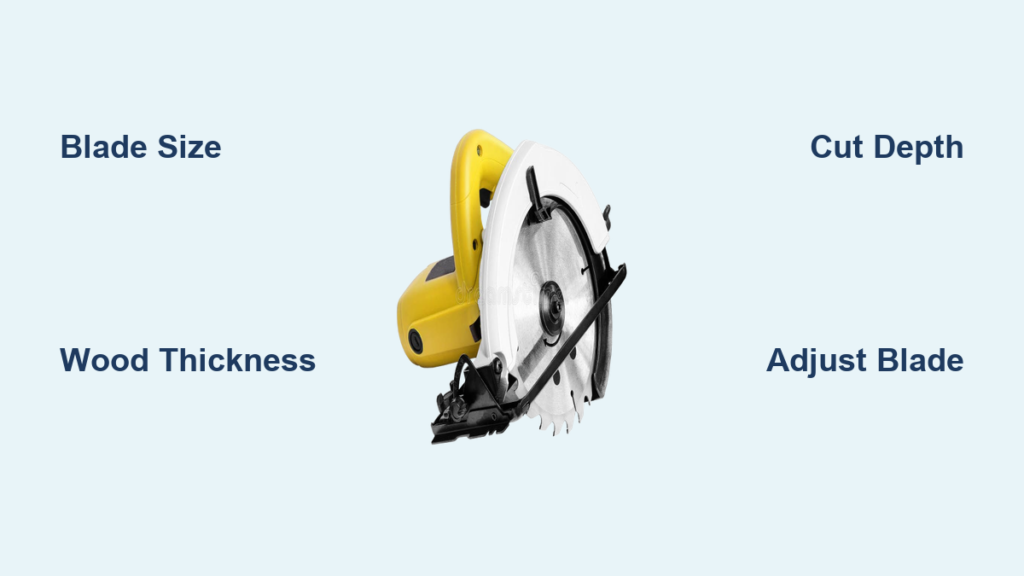
Circular saws come in different sizes, and each requires a specific blade diameter. The most common circular saw blade sizes range from 6 inches to 12 inches, with 7¼ inches being the industry standard for handheld models.
7¼-Inch Blades
The 7¼-inch blade is the most widely used size for portable circular saws. It offers a cutting depth of about 2½ inches at 90 degrees, making it ideal for 2x lumber and sheet goods like plywood and OSB.
Most corded and cordless circular saws in North America accept this size. Its balance of power, portability, and cutting capacity makes it the go-to choice for framing, decking, and general construction.
• Max depth of cut: ~2.5 inches at 90°
• Common uses: Framing, sheathing, DIY projects
• Fits: Most handheld circular saws
6½-Inch Blades
Smaller and lighter, 6½-inch blades are often found on compact or cordless saws designed for portability. They typically cut up to 2¼ inches deep and are popular in Europe and for roofing applications where weight matters.
• Max depth of cut: ~2.25 inches at 90°
• Advantages: Less vibration, faster spin-up, lighter load
• Trade-offs: Reduced cutting depth compared to 7¼”
10-Inch and 12-Inch Blades
These larger blades are used on heavy-duty saws like sidewinder or worm-drive models, especially in commercial framing or timber cutting. A 10-inch blade can cut up to 3¾ inches deep, while a 12-inch blade reaches over 4 inches.
• Best for: Thick lumber, beams, log decks
• Power requirement: High, needs a robust motor
• Note: Not interchangeable with smaller saws due to arbor and guard differences
Matching Blade Size to Your Saw
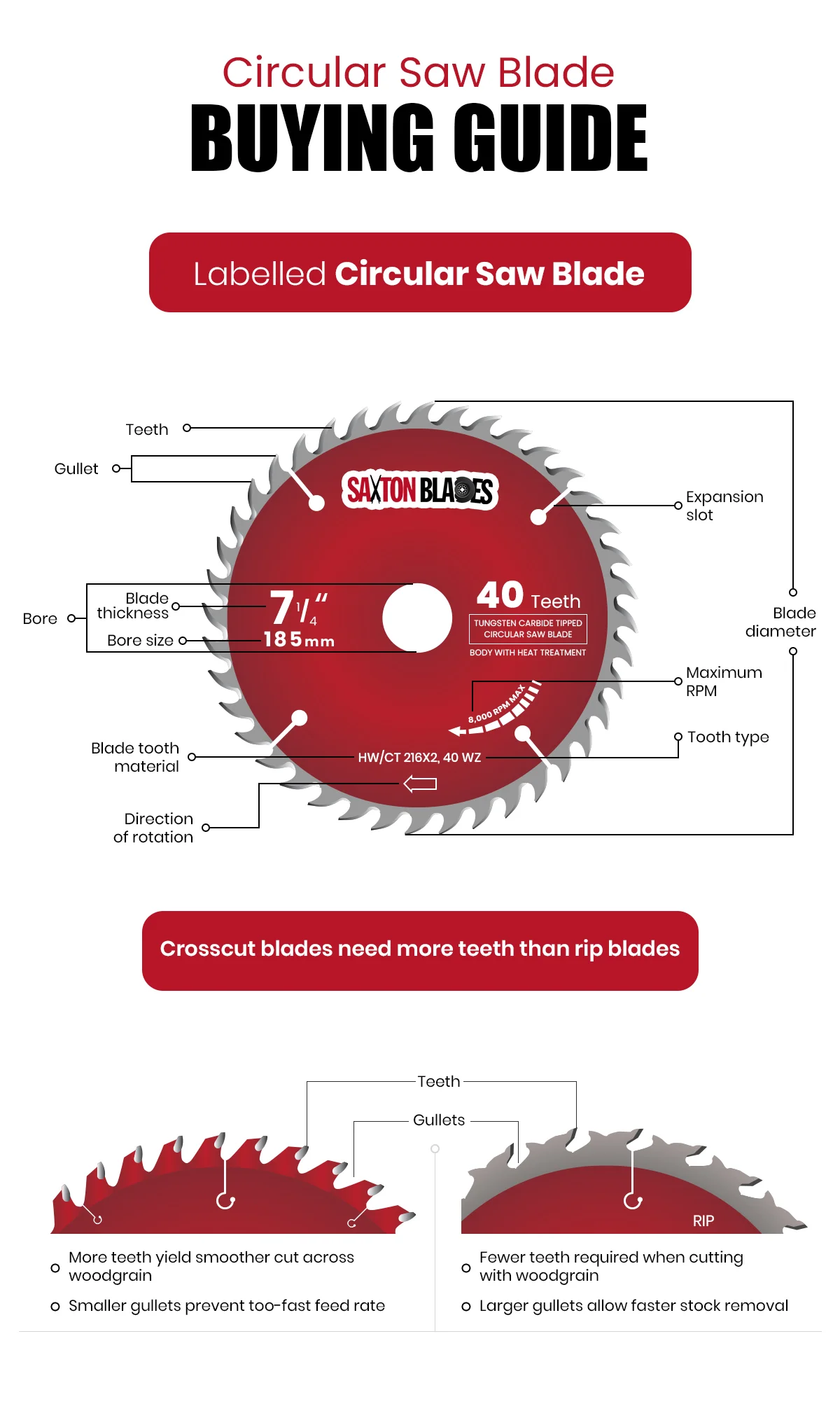
Your circular saw determines the blade size you can safely use. Installing the wrong size is dangerous and can damage the tool or cause injury.
Check Your Saw’s Specifications
Always consult your saw’s manual or the blade guard for the correct blade diameter and arbor size. Never force a blade that doesn’t fit snugly on the arbor or within the guard.
• Look for: Stamped markings near the blade housing
• Common labels: “Use 7¼” blade only” or “Max 200mm”
• Safety first: Using an oversized blade can lead to kickback or blade binding
Portable vs. Stationary Saw Compatibility
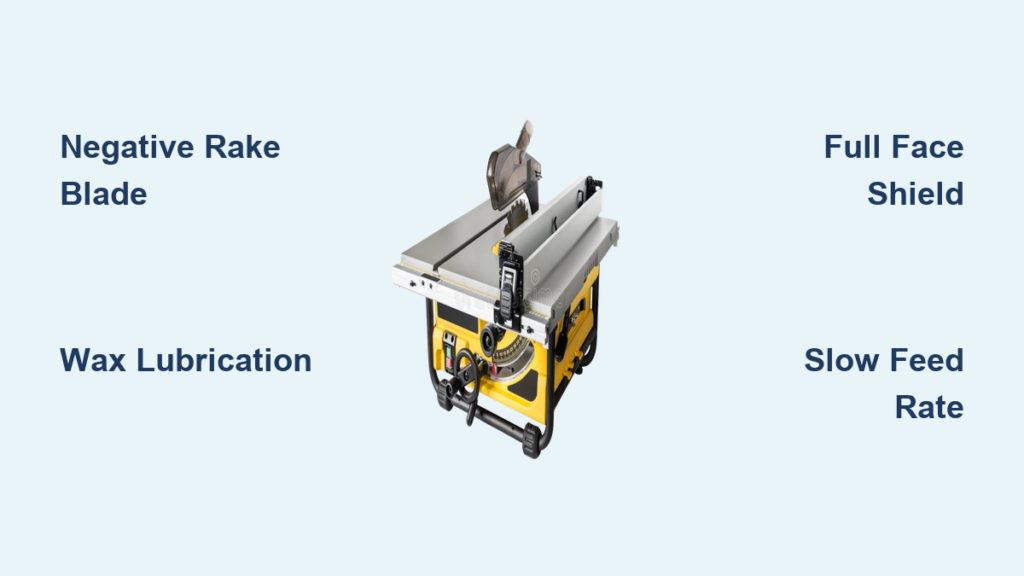
While table saws often use 10-inch blades, portable circular saws usually take 6½” or 7¼”. Don’t assume blades are interchangeable across tools, even if they seem to fit.
• Table saws: Typically 10-inch blades
• Miter saws: Often 10″ or 12″, depending on model
• Reciprocating saws: Use blades measured in inches, but not circular
Understanding Arbor Sizes
The arbor is the shaft that holds the blade. It must match the blade’s center hole exactly for safe operation.
Standard 5/8-Inch Arbor
Most 7¼-inch and 10-inch circular saw blades have a 5/8-inch arbor hole, which fits the majority of North American saws. Some European models use smaller arbors (such as 20mm), so check compatibility before buying.
• Adapter rings: Allow larger-hole blades to fit smaller arbors (rarely used)
• Never use a blade with a smaller hole than the arbor; this is unsafe
Mini and Specialty Saws
Small circular saws, like 3½-inch trim saws, use 8mm or ⅜-inch arbors. These are common in trim work or tight spaces.
• Example: Makita 3650B uses 7¼” blade with 5/8″ arbor
• Caution: Mini blades are not interchangeable with full-size saws
Tooth Count and Blade Types
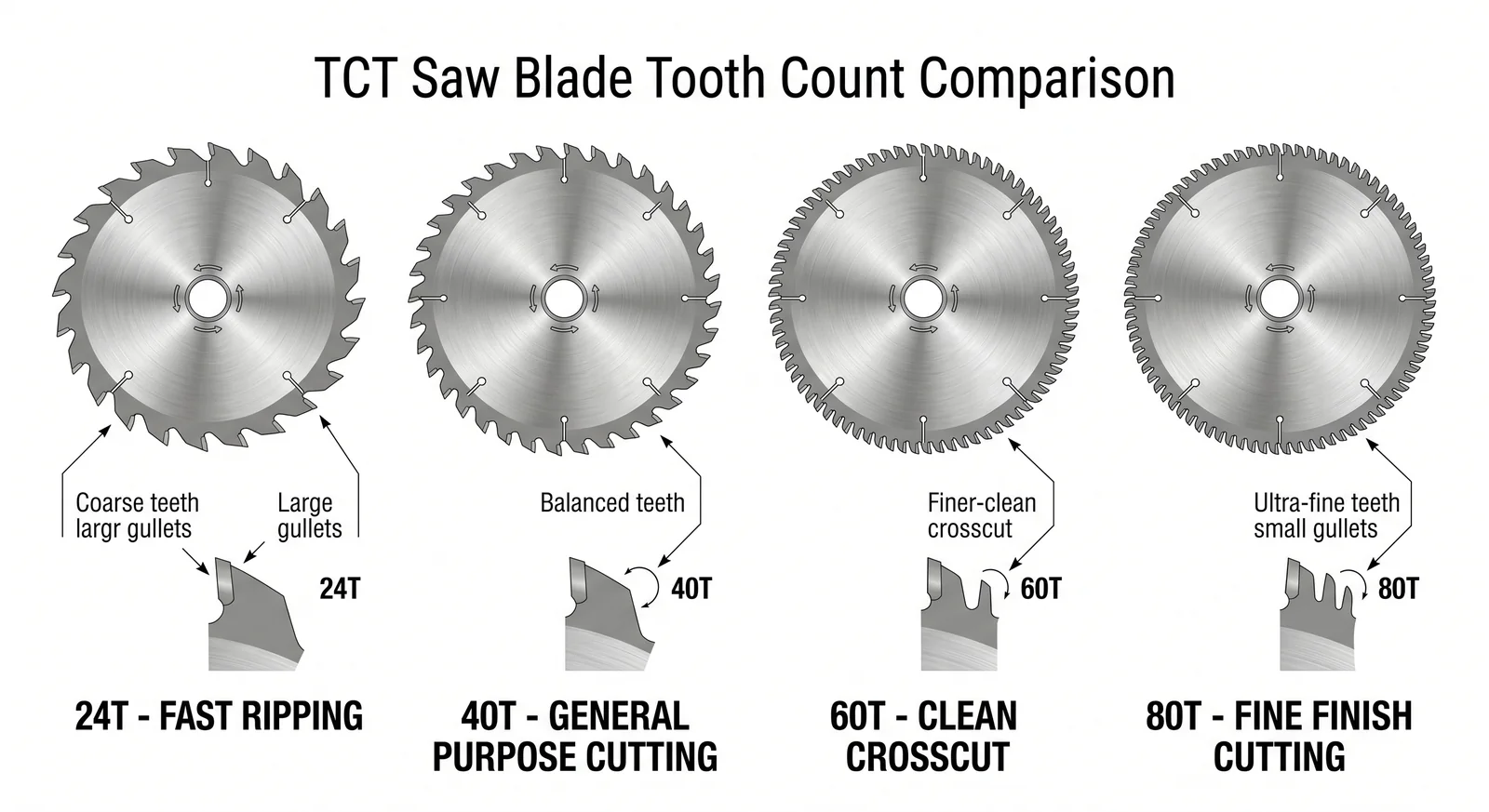
Blade diameter isn’t the only factor. Teeth matter too. The number of teeth affects cut smoothness and feed speed.
General Purpose Blades (24–30 Teeth)
These blades balance speed and finish, making them ideal for cutting both wood and engineered materials.
• Use for: Framing, sheathing, mixed jobs
• Cut quality: Moderate, with some splintering on fine woods
Fine Finish Blades (40–80 Teeth)
Higher tooth count means smoother cuts, especially in plywood, melamine, or hardwoods.
• Best for: Cabinet making, trim work
• Drawback: Slower feed rate due to more teeth engaging the material
Ripping vs. Crosscut Blades
Ripping blades (20–24 teeth) are designed to cut with the grain. Fewer, larger teeth remove material quickly. Crosscut blades (40–80 teeth) cut across the grain, and the higher tooth count produces cleaner edges.
How to Measure Your Circular Saw Blade
If you’re unsure what size blade your saw needs, measure it yourself in just a few steps.
Measure Diameter Accurately
Use a ruler or tape measure from one edge of the blade to the opposite edge through the center.
- Remove the blade (unplug the saw first)
- Lay the blade flat and measure across the widest point
- Confirm the arbor hole size (usually 5/8″ or 20mm)
Check Kerf and Plate Thickness
Kerf is the width of the cut the blade makes. Standard kerf is roughly 1/8 inch, while thin kerf is around 3/32 inch.
• Thin kerf: Uses less power, good for cordless saws
• Standard kerf: More durable, better for continuous cutting
Common Blade Size Mistakes to Avoid
Even experienced users make errors when selecting blades. Knowing these pitfalls keeps you safe and saves money.
Using Oversized Blades
Forcing a 10-inch blade on a 7¼-inch saw can cause catastrophic failure. The blade guard won’t close, and the exposed blade increases injury risk.
• Never modify the guard or arbor to fit a larger blade
• Result: Loss of control, potential blade shatter
Ignoring Spindle Lock Compatibility
Some saws have a spindle lock for easy blade changes. Ensure the replacement blade allows access to this feature.
• Problem: Blade flange blocks spindle lock button
• Solution: Choose blades with notched designs for lock access
Mixing Metric and Imperial Sizes
A 210mm blade (8.27″) won’t fit a 7¼” (184mm) saw. While close in size, they’re not interchangeable.
• 200mm ≈ 7.87″, 210mm ≈ 8.27″, 250mm ≈ 9.84″
• Always confirm exact specifications before buying
Specialty Circular Saw Blades

Not all blades are for wood. Different materials require specialized designs and safety considerations.
Masonry and Metal Cutting Blades
These use carbide or diamond edges and spin at lower RPMs.
• For: Cutting concrete, brick, metal
• Caution: Never use on wood, as overheating and damage can occur
• RPM rating: Must match your saw’s speed
Carbide-Tipped Blades
Most high-quality blades have carbide tips for longer life and cleaner cuts.
• Benefits: Heat resistance, durability
• Tip count: More tips equal finer cuts
• Sharpening: Can be professionally resharpened several times
Blade Replacement Tips
Change your blade when you notice burning, chipping, or slow cutting performance.
When to Replace
• Teeth are chipped or missing
• Blade wobbles during cutting
• Burn marks appear even with proper feed rate
• Over 5 years old with heavy use
How to Install Safely
- Unplug the saw or remove the battery
- Engage the spindle lock
- Loosen the arbor nut (note rotation direction; some are reverse-threaded)
- Place the new blade on the arbor, ensuring correct orientation
- Tighten securely before use
Maximizing Blade Life
Proper care extends blade life and improves cut quality over time.
Keep Blades Clean
Resin buildup reduces efficiency and causes overheating during cuts.
• Clean with citrus-based solvent or commercial blade cleaner
• Use a soft brush to avoid damaging carbide edges
Use the Right Blade for the Job
Avoid using a fine-finish blade for rough framing. Match tooth count and design to material.
• Pro tip: Keep dedicated blades for wood, metal, and plastic
• Label blades for easy identification
Store Properly
Store blades in a dry place, preferably in protective cases or sleeves.
• Prevent rust and corrosion
• Avoid stacking blades, as they can chip teeth
Frequently Asked Questions About Circular Saw Blade Sizes
What is the most common circular saw blade size?
The 7¼-inch blade is the most common size for portable circular saws in North America. It offers a cutting depth of about 2½ inches at 90 degrees and fits most corded and cordless models.
Can I use a 10-inch blade on a 7¼-inch circular saw?
No. A 10-inch blade will not fit safely on a 7¼-inch saw because the guard won’t close properly. Using an oversized blade can cause kickback, loss of control, or catastrophic blade failure.
What arbor size do I need for a 7¼-inch blade?
Most 7¼-inch blades use a 5/8-inch arbor, which is standard for North American saws. European models may use a 20mm arbor, so always check your saw’s specifications before buying.
How many teeth should my circular saw blade have?
For general purpose cutting, choose a blade with 24 to 30 teeth. For fine finish work on plywood or hardwood, use 40 to 80 teeth. Fewer teeth (20 to 24) work best for ripping with the grain.
How do I know when to replace my circular saw blade?
Replace your blade if you notice chipped or missing teeth, wobbling during cuts, or burn marks even with proper feed rate. Blades older than 5 years with heavy use should also be replaced.
Are metric and imperial circular saw blades interchangeable?
No. A 210mm blade (8.27″) won’t fit a 7¼” (184mm) saw, even though the sizes seem close. Always confirm exact specifications in your saw’s manual before purchasing a replacement blade.
Key Takeaways for Choosing the Right Circular Saw Blade Size
Choosing the right circular saw blade size ensures safer, cleaner, and more efficient cuts on every project. From 6½-inch mini blades to 12-inch heavy-duty models, size matters for both performance and safety.
Always match the blade diameter, arbor size, and tooth configuration to your saw and material. By avoiding common mistakes and maintaining your blades properly, you’ll get the most out of every cut.
Now that you know the essentials, measure your current blade, check your saw’s manual, and confidently pick the right replacement to keep your projects moving forward.